

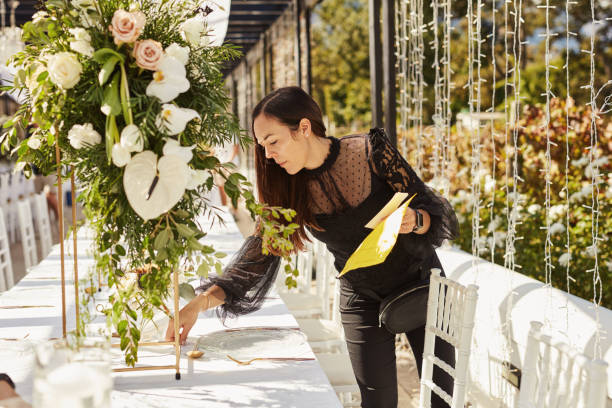
A wedding is one of life’s most treasured milestones—a moment suspended in time, wrapped in emotion, rich with symbolism and joy. Yet behind the elegance of the ceremony, the glow of candlelight receptions, and the effortless smiles lies an extraordinary orchestration of detail, precision, and artistry. At the heart of this orchestration is the wedding planner—a professional whose role transcends coordination and enters the realm of emotional intelligence, logistical mastery, and creative vision.
In essence, a wedding planner is a storyteller. Each couple brings a unique narrative—a blend of cultures, personalities, preferences, and dreams. The wedding planner’s task is to interpret that story and transform it into a living, breathing event. It is not merely about booking venues or choosing linens; it is about understanding a couple’s essence and translating that into a celebration that feels deeply personal and unmistakably theirs.
The process begins long before the vows are exchanged. A wedding planner must first listen—truly listen—to the couple. In an age where social media can blur originality with imitation, discerning the couple’s authentic desires requires sensitivity and patience. Some may envision a grand ballroom affair with gilded décor and classical music. Others may dream of a barefoot ceremony on a windswept beach, framed by the soft murmur of waves. The planner acts as both guide and guardian of these visions, gently steering them through practical constraints while preserving the heart of their aspirations.
Organizing a wedding involves an intricate web of decisions, timelines, and coordination that can easily overwhelm even the most detail-oriented individuals. Here, the planner becomes an anchor. From budget management to vendor negotiations, guest logistics to timeline creation, the planner serves as a central command—calm, competent, and in control. Their presence allows the couple to experience the planning process not as a source of stress, but as a journey filled with joy, anticipation, and meaningful choices.
One of the most valuable assets a seasoned wedding planner brings to the table is their network. Years of experience in the industry grant access to a curated list of trusted vendors, artisans, and venues. This not only ensures a high standard of service but often results in better rates and smoother coordination. A planner knows which florist can create a breathtaking cascading bouquet within budget, which photographer’s style will capture the couple’s aesthetic, and which caterer will accommodate dietary restrictions without compromising elegance.
Yet, beyond logistical prowess, the emotional role a wedding planner plays is not to be underestimated. Weddings are deeply personal events, and emotions often run high. Family dynamics, differing expectations, last-minute changes, and the pressure of perfection can create tension. A good wedding planner acts as a buffer and a confidante—calming nerves, resolving conflicts discreetly, and keeping the couple grounded in what truly matters. Their emotional intelligence allows them to navigate delicate situations with grace, ensuring that the event remains a joyful celebration rather than a source of strain.
Design and aesthetic are also central to the planner’s responsibilities. Many planners work closely with designers or take on the design role themselves, helping couples translate abstract ideas into tangible elements. Color palettes, floral arrangements, lighting, table settings, signage, and even scent—all are considered in the pursuit of a cohesive, immersive experience. This requires not only creative vision but also an understanding of spatial design, guest flow, and visual harmony.
The wedding day itself is a performance of sorts, with the planner as the director behind the curtain. Every element must unfold seamlessly—ceremonies must start on time, vendors must arrive as scheduled, unforeseen hiccups must be addressed quietly and efficiently. A sudden change in weather, a forgotten boutonnière, a delayed transportation—these are the kinds of challenges planners are trained to resolve without disrupting the event’s rhythm. Their ability to maintain calm under pressure and problem-solve in real time is what transforms a potentially chaotic day into a flawless occasion.
Technology has also reshaped the modern wedding planning experience. Digital planning tools, virtual venue tours, and mood board platforms have become standard. Planners must now be adept not only in traditional coordination but also in digital fluency. Virtual weddings and hybrid celebrations—accelerated by global circumstances—have added new layers of complexity. A forward-thinking planner adapts to these shifts, offering solutions that blend tradition with innovation, ensuring inclusivity and accessibility without compromising on the experiential quality of the day.
Hiring a wedding planner is not merely a luxury reserved for lavish affairs. Even modest celebrations benefit from professional guidance. Planners can help couples make the most of their budget, avoid costly mistakes, and focus their energy on meaningful decisions rather than minutiae. More importantly, they allow couples to be present—to truly inhabit their wedding day without being consumed by its logistics.
Ultimately, the role of the wedding planner is to serve as a quiet architect of joy. Their work may largely unfold behind the scenes, but its impact is deeply felt. They are dream weavers, problem solvers, aesthetic curators, and emotional anchors. Their ability to transform abstract ideas into unforgettable moments is nothing short of alchemy.
In the end, a wedding is not about the flowers, the food, or the photographs—it is about the feeling it evokes, the memory it creates, the love it celebrates. And in ensuring that everything else fades into the background, the wedding planner ensures that love takes center stage.


