

The choice of a wedding venue does more than provide a backdrop for a ceremony; it dictates the entire emotional and stylistic tone of the celebration. In an era dominated by cookie-cutter banquet halls and minimalist modern event spaces, couples are increasingly seeking locations that tell a story. Heritage venues, such as centuries-old estates, historic libraries, converted industrial mills, and Gilded Age mansions, have emerged as highly coveted options for couples who value soul, architectural character, and historical depth.
A heritage venue brings an irreplaceable sense of gravity and romance to a wedding. The worn stone steps, towering arched windows, weathered brick walls, and hand-carved woodwork offer a physical connection to the past. These spaces have hosted generations of human experiences, and incorporating a marriage into that historical timeline adds layers of meaning that a newly constructed drywall space simply cannot emulate. Selecting a historic property allows couples to share an authentic piece of architectural artistry with their guests.
Architectural Integrity as Natural Decor
One of the most compelling advantages of booking a heritage property is its inherent design language. Traditional modern venues often function as blank boxes, requiring substantial financial investments in temporary drapery, heavy lighting configurations, and expansive floral installations to create a specific mood. Historic spaces, on the other hand, possess a structural richness that commands attention all on its own.
-
Exposed Masonry and Timber: Converted historical mills, warehouses, and train stations feature original brick walls, iron support columns, and massive ceiling timbers. These materials add a rough-hewn, tactile warmth that pairs perfectly with soft wedding textiles like silk, chiffon, and abundant candle installations.
-
Intricate Plasterwork and Moldings: Estates dating from the eighteenth and nineteenth centuries boast crown moldings, ceiling medallions, and wood carvings that reflect an era of meticulous craftsmanship. These artistic details draw the eye upward and elevate the visual luxury of the room without any additional decoration.
-
Leaded and Stained Glass: Historic churches, old libraries, and university halls frequently feature dramatic windows that manipulate natural light in beautiful ways, casting colorful or warm glows across the ceremony and reception areas.
The Diversity of Historic Event Layouts
Heritage locations cover a broad spectrum of design movements, allowing couples to select a space that perfectly aligns with their aesthetic preferences, whether they favor industrial grit, classical opulence, or academic romance.
Historic Estates and Mansions
For a wedding focused on classic elegance, a historic estate offers an unmatched level of privacy and residential grandeur. These locations typically feature a series of interconnected drawing rooms, formal dining halls, and manicured gardens. This multi-room footprint allows the event to flow dynamically from one phase to the next. Guests can move from an outdoor ceremony on a terrace to a cocktail hour in an ornate library, before entering a central ballroom for dinner, creating a sense of exploration throughout the evening.
Industrial Warehouses and Textiles Mills
Couples looking for a modern-vintage crossover gravitate toward old industrial buildings. Characterized by expansive open floor plans, soaring ceilings, and towering factory windows, these spaces offer incredible spatial flexibility. They handle large guest counts with ease while retaining an edgy, urban character. The stark contrast between historic machinery remnants and elegant formal dining setups creates a memorable, high-contrast design environment.
Historic Public Libraries and Museums
Academic and civic heritage buildings provide an exceptionally unique, intellectual ambiance. Dining among floor-to-ceiling rows of antique books or celebrating beneath the vaulted ceilings of a historic museum rotunda offers an unforgettable experience. These properties naturally feel monumental, imbuing the wedding ceremony with a sense of importance and enduring permanence.
Designing with Respect for the Past
When production styling within a heritage venue, the design strategy must shift from installation to integration. The goal is to complement the existing architecture rather than mask it.
Color Palettes that Complement
Study the raw materials of the venue before locking in a color scheme. An industrial brick venue benefits from warm tones like terracotta, sage green, burgundy, and antiqued gold, which pick up the natural variation in the clay and ironwork. A classical marble or limestone ballroom pairs beautifully with cool, delicate tones like dusty blue, slate gray, ivory, and polished silver, which highlight the cool elegance of the stone.
Furniture Selection
Steer clear of overly trendy, plastic, or ultra-modern minimalist furniture when hosting in a historic property. Opt instead for timeless seating styles like bentwood chairs for an industrial space or elegant wooden chairs for a traditional mansion. Integrating antique or vintage lounge furniture clusters, such as velvet or distressed leather settees, honors the history of the architecture and gives guests a cozy, interactive place to rest during the reception.
High-Quality Visual Inspiration
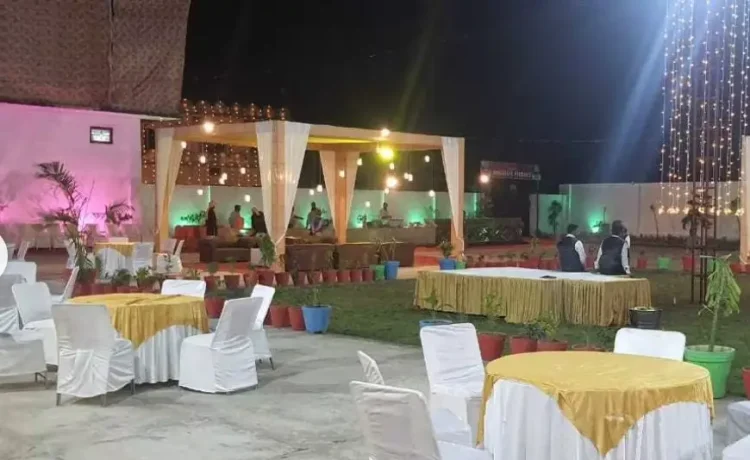
Review the historic courtyard wedding setup below to see how centuries-old stone structures, natural climbing greenery, and simple wooden furniture blend to create an intimate, romantic atmosphere that modern spaces cannot duplicate.
Frequently Asked Questions
What are the hidden costs associated with hosting a wedding at a historic heritage venue?
Heritage properties often require specific logistical considerations that can impact a budget. Many historic sites lack a modern commercial kitchen, which means your catering company will need to rent and build a fully functional field kitchen, including portable ovens and refrigeration units. Additionally, older buildings may have limited electrical capacity, requiring you to rent specialized power generators to support the heavy lighting and sound amplification systems of a live band or DJ without blowing the circuit breakers.
Are there specific restrictions regarding decor when working inside a protected historic building?
Yes, due to structural preservation guidelines and historical protection laws, heritage venues typically enforce strict rules regarding decor installations. The most common restriction is a zero-attachment policy, meaning nothing can be nailed, screwed, stapled, or taped to any walls, historic woodwork, or ceilings. Planners must use freestanding structural elements, such as self-supporting pipe-and-drape kits or weighted heavy arches, to display floral installations or backdrops without altering the historic surfaces.
How do heritage venues handle accessibility requirements for elderly or disabled guests?
Because many historic properties were constructed long before modern building accessibility regulations were written, navigating steps and narrow doorways can sometimes present challenges. However, most heritage properties operating as public event spaces have integrated creative accessibility solutions, such as hidden ramps, external chairlifts, or designated ground-floor entryways. It is important to request a detailed accessibility walkthrough prior to booking to ensure all guests can navigate the space comfortably.
What should couples know about climate control limitations in older, historic structures?
Thick stone walls and historic architecture can provide natural cooling in mild weather, but ancient HVAC systems can struggle during extreme seasonal peaks. Many historic mansions lack central air conditioning entirely, relying instead on portable cooling units or floor fans. Conversely, heating a massive, high-ceilinged historic barn or drafty stone castle in the dead of winter requires significant energy. Couples should inquire about the exact temperature capabilities of the venue for their specific wedding month.
How does liability insurance differ when renting a heritage property compared to a standard venue?
Historic properties are filled with irreplaceable architectural details and antique furnishings, making comprehensive event insurance an absolute requirement. Heritage venues usually require couples and all contracted vendors to carry significantly higher property damage liability insurance limits than a standard commercial banquet hall would. This protection ensures that if an accidental spill or equipment mishap damages historic parquet flooring or an antique tapestry, the costs are fully covered by the insurance provider.
How do we handle vendor loading and setup inside venues with strict historic preservation limits?
Vendor load-in protocols are typically much tighter at heritage locations. Because corridors, stairwells, and doorways may be narrow, load-in can take twice as long as it would in a modern facility with a dedicated loading dock and service elevator. Vendors must use extra caution, often wrapping equipment carts in foam padding to protect fragile door frames. It is highly recommended to allocate an extra two to three hours of setup time in your master schedule to accommodate these deliberate, careful movements.
Can a heritage venue accommodate large guest counts, or are they limited to intimate weddings?
The capacity depends entirely on the specific typology of the heritage building. While intimate historic homes or historic library reading rooms might cap guest counts at seventy-five to one hundred people to protect the fragile interior spaces, large-scale industrial textile mills, converted train terminals, and expansive estate lawns can easily host three hundred to five hundred guests. Always verify the maximum indoor seated capacity with the venue director before finalizing your guest invitation list.
