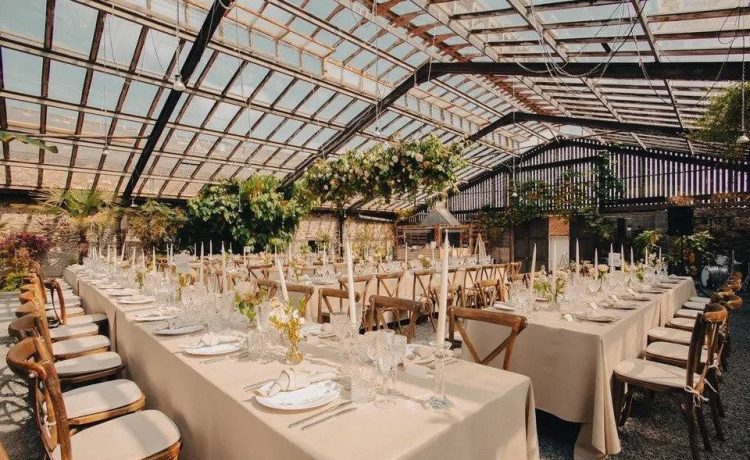
When planning a significant event—be it a wedding, corporate gala, art exhibition, or milestone celebration—the venue is one of the first decisions to be made. It is the canvas on which every other element is painted, the foundation that supports the event’s narrative, atmosphere, and flow. A thoughtfully chosen venue has the power to elevate an experience, subtly influencing how guests feel, move, and remember the occasion. It is not merely a physical space, but a silent collaborator in shaping the story being told.
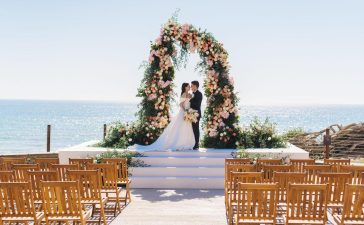
The significance of a venue lies in its ability to reflect and enhance the purpose of the event. For a wedding, the venue becomes a symbolic extension of the couple’s vision—rustic charm in a countryside barn, timeless elegance in a historic estate, or modern minimalism in an urban rooftop loft. Each setting tells its own story, and the key is to ensure it aligns with the tone and identity of the occasion. A corporate gathering, for instance, demands professionalism and functionality, perhaps in a sleek conference center with high-tech amenities and flexible meeting rooms. Meanwhile, an anniversary celebration may call for warmth, intimacy, and character—qualities more often found in boutique hotels, private villas, or scenic gardens.
The process of selecting a venue is as layered as it is consequential. It involves balancing aesthetics, capacity, location, budget, and logistical practicality. While photographs and marketing materials may offer an enticing first impression, in-person visits remain essential. The feel of the space, its acoustics, lighting, flow, and even scent can rarely be captured accurately online. A venue may appear perfect in images, yet feel cold or impersonal in reality. Conversely, a hidden gem may come alive only when experienced firsthand.
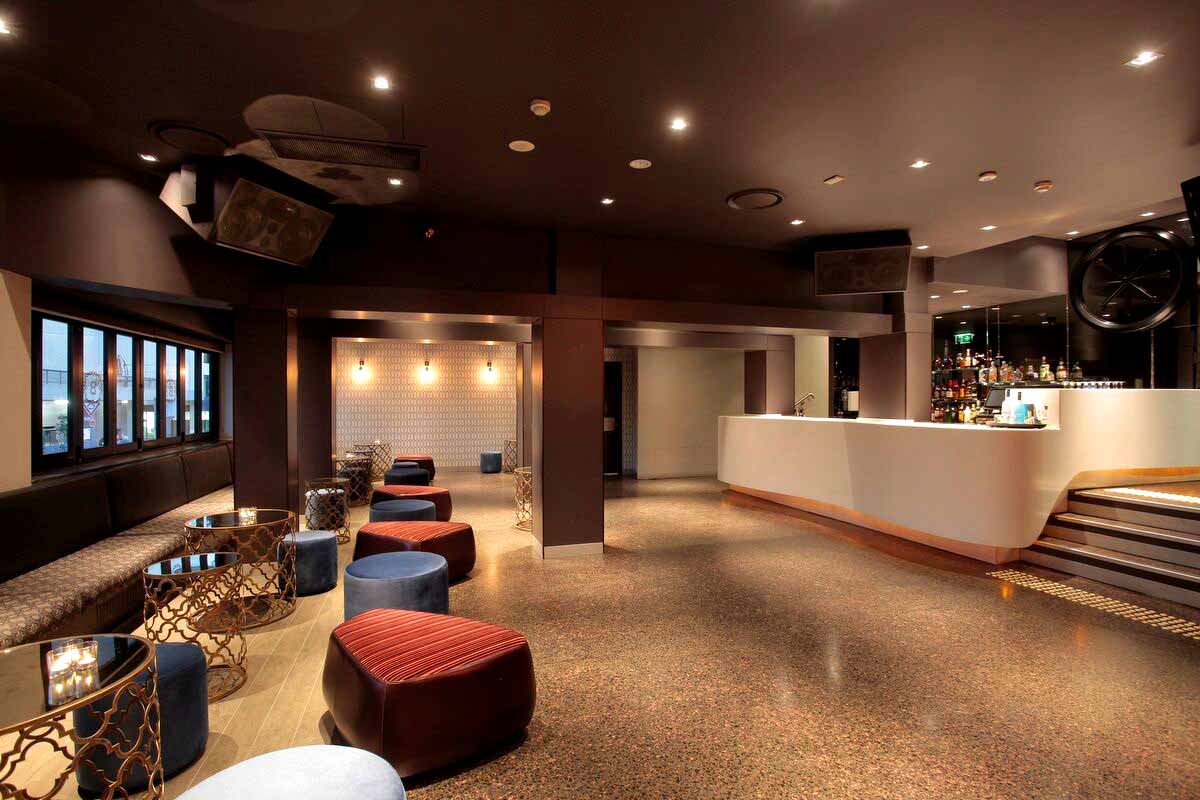
A venue is not just a backdrop; it is a participant. It influences everything from the mood to the logistics. The layout determines the flow of movement, the interaction between guests, and even the pacing of the event. Open-plan spaces offer flexibility and fluidity, ideal for mingling and dynamic programming. Conversely, segmented spaces can create a sense of intimacy and structure, perfect for events with multiple stages or activities. The architecture, color palette, and natural light of a venue can dramatically affect décor choices, photography outcomes, and overall ambiance.
Location, naturally, is another vital consideration. A stunning venue that is difficult to access can cast a shadow over the guest experience. Planners must consider proximity to transport, accommodation options, parking availability, and accessibility for those with mobility challenges. In today’s increasingly global world, where events often bring together guests from diverse locations, ease of travel is more important than ever. Venues located near airports, hotels, or major transit routes often hold an advantage for destination events or corporate functions.
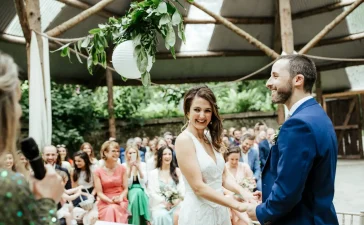
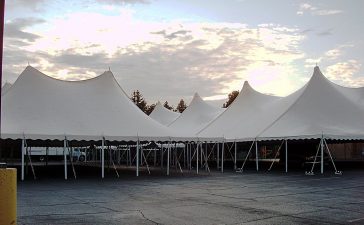
Climate and seasonality also influence venue selection. An outdoor summer wedding under a canopy of trees may seem idyllic, but it requires contingency planning—tents, fans, hydration stations, or even indoor alternatives in case of unpredictable weather. Similarly, a winter event in a historic building may enchant with its charm, but demand attention to heating, insulation, and safety. Experienced planners often advise clients to imagine the worst-case scenario and ensure the venue can accommodate it gracefully.
One often overlooked but crucial aspect is the venue’s staff and service standards. Even the most visually stunning location can disappoint if customer service is lacking. Responsive communication, flexibility, professionalism, and a collaborative spirit can make all the difference in the planning process and on the day itself. Venues that include on-site coordinators or offer all-inclusive packages often provide a smoother experience, particularly for clients unfamiliar with event planning intricacies.
The rise of unconventional and experiential venues in recent years is a testament to the evolving nature of events. More and more, people seek spaces that reflect individuality and creativity. Art galleries, industrial lofts, vineyards, greenhouses, and even libraries are being transformed into unforgettable settings for modern events. These unique venues often require more logistical coordination but offer unparalleled character and memorability. They allow hosts to break free from traditional molds and curate experiences that feel deeply personal and distinct.
Sustainability is another growing consideration in venue selection. Eco-conscious clients are increasingly drawn to venues that demonstrate environmental responsibility—those that use renewable energy, recycle waste, source locally, or practice water conservation. Green certifications, such as LEED (Leadership in Energy and Environmental Design), offer some assurance that a venue aligns with these values. The ethical impact of an event, once a niche concern, is now becoming central to many clients’ decisions.
In the end, a venue’s success is measured not just by how it looks, but by how it feels. Does it inspire? Does it comfort? Does it facilitate connection and celebration? When guests leave an event talking about how wonderful everything was, they may not immediately name the venue as the source—but it almost certainly played a crucial role. The venue is the skeleton of the event; everything else—the design, the food, the speeches, the music—attaches to it. When chosen wisely, it disappears into the background while quietly elevating every moment.
To those planning their next significant gathering, consider the venue not just as a space to occupy, but as a partner in your vision. Walk through it with intention. Imagine your guests moving through it. Listen to its echoes. See how the light changes over the course of the day. Let it speak to you. Because when the right venue meets the right event, something magical happens—an ordinary space becomes extraordinary, and a simple gathering becomes an unforgettable memory.