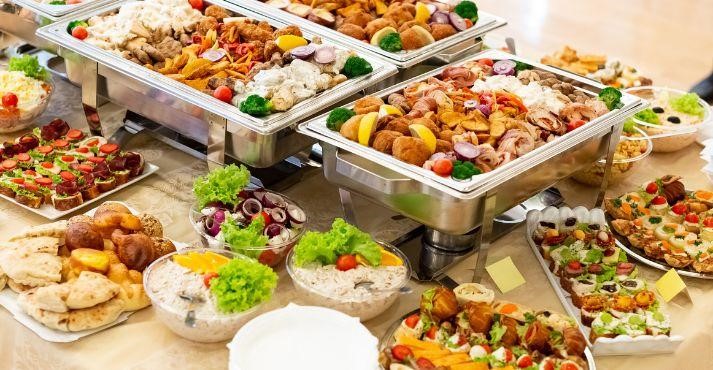
Catering is far more than the provision of food—it is an art form that weaves together taste, presentation, service, and ambiance into a seamless experience. Whether at an intimate dinner party, a grand wedding reception, or a high-profile corporate event, catering plays a pivotal role in shaping the mood and memory of the occasion. It is a world where culinary mastery meets logistical precision, and where the invisible threads of planning and execution come together to create something truly memorable.
At its heart, catering is about hospitality. It embodies the age-old human instinct to gather, to break bread, to celebrate life’s milestones with others. A skilled caterer understands this instinct intuitively. They are not merely preparing dishes; they are curating moments. Every element, from the choice of menu and quality of ingredients to the style of table service and timing of courses, is deliberately chosen to enhance the guest’s experience. The ultimate goal is not only to satisfy hunger, but to delight the senses and create an atmosphere of warmth, elegance, and attentiveness.
Modern catering is a dynamic and multifaceted industry, evolving far beyond the traditional image of buffet tables and chafing dishes. Today’s clients expect bespoke experiences that reflect their personal tastes, cultural backgrounds, dietary needs, and aesthetic preferences. As a result, caterers must be part chef, part event planner, and part creative visionary. They are expected to interpret a client’s vision, anticipate needs that have yet to be articulated, and deliver flawless execution under tight timelines and shifting expectations.
This level of complexity requires a remarkable degree of skill and versatility. For instance, designing a menu for a corporate luncheon differs significantly from preparing for a black-tie gala. A corporate event may call for clean, efficient service and an emphasis on professionalism, with carefully calibrated dishes that fuel conversation and productivity. In contrast, a high-end gala demands a sense of spectacle—a culinary performance that balances sophistication with innovation. In either case, the caterer must read the room, align with the purpose of the event, and deliver not just a meal, but an experience that feels coherent and elevated.
Presentation plays a critical role in catering, as food is not only consumed with the mouth, but first with the eyes. The visual appeal of a dish can heighten anticipation and enjoyment, making aesthetics a key consideration in menu design. A caterer’s attention to plating, color palettes, and thematic consistency can transform a simple dish into a statement of elegance and taste. Moreover, the table setting, glassware, linens, and floral arrangements must work in harmony with the culinary presentation. Together, they create a cohesive visual narrative that enhances the overall ambiance of the event.
In recent years, catering has also become a reflection of broader cultural and ethical shifts. Sustainability, local sourcing, and dietary inclusivity are no longer niche concerns—they are integral to the values of many clients. This has driven a growing demand for organic ingredients, plant-based menus, zero-waste practices, and eco-conscious packaging. Caterers who embrace these trends are not only responding to market demands but are also contributing to a more thoughtful and responsible industry. They recognize that good food should nourish more than the body; it should align with the values of the people who enjoy it.
Another critical component of successful catering lies in the orchestration of service. From the chef behind the scenes to the waitstaff on the floor, every individual plays a role in shaping the guest experience. Polished service is about more than efficiency—it is about grace, timing, and emotional intelligence. A well-trained team understands how to be present without being intrusive, how to anticipate needs without being asked, and how to maintain poise under pressure. The result is a kind of silent choreography that allows the event to flow effortlessly, even when the work behind the scenes is anything but simple.
Technology, too, has left its mark on the catering industry. Digital tools now assist with event planning, guest management, and real-time feedback. Mobile kitchens, high-tech serving solutions, and sophisticated data analytics help caterers deliver precision and personalization at scale. While the essence of catering remains rooted in human connection and craftsmanship, technology has expanded the possibilities for efficiency, customization, and innovation.
The best caterers, however, never lose sight of the human element. They understand that behind every event lies a story—of celebration, union, achievement, or remembrance. Catering, when done well, becomes part of that story. It transforms a gathering into an experience, a meal into a memory. It is a gesture of care, a testament to the host’s thoughtfulness, and a reflection of the occasion’s significance.
For those entering the profession, catering offers a uniquely rewarding blend of creativity, challenge, and human connection. It demands hard work and resilience, to be sure, but it also provides endless opportunities for expression and impact. Every event is a new canvas; every client, a new muse.
In the end, catering is not simply about feeding people—it is about nourishing relationships, celebrating milestones, and crafting moments that linger long after the last plate is cleared. It is the quiet heartbeat of an event, often unnoticed when flawless, but deeply felt in its absence. And it is this delicate balance—between invisibility and presence, between craft and care—that defines the true artistry of catering.